Emotional Load
The Cost of Always Being the Strong One
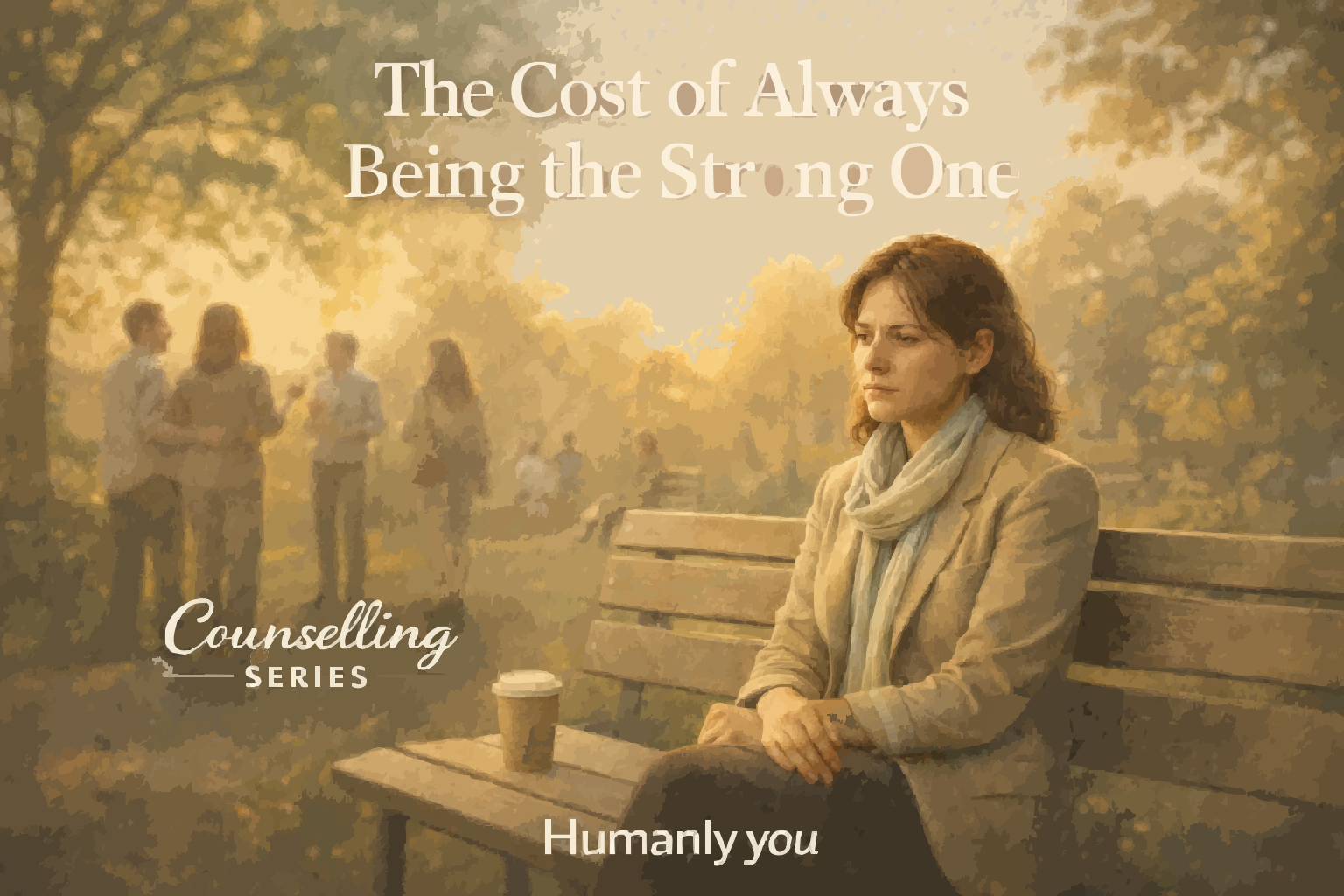
Being ‘the strong one’ can look like competence, but it can also become a pattern of emotional isolation and chronic over-responsibility.
Suggested next step: If you want support tailored to you, start with the 30-Minute Clarity Call.
How this pattern forms
- In many families and workplaces, strength is rewarded while vulnerability is overlooked.
- You may have learned to manage others’ emotions to keep stability.
- Over time, you stop noticing your own needs until the body forces a pause.
What it looks like day to day
- You say ‘I’m fine’ automatically.
- You help quickly but feel quietly resentful later.
- You feel guilty resting or asking for support.
- You struggle to share fear, sadness, or uncertainty.
Clinical direction
- Strength becomes sustainable when support becomes shared.
- Practice asking for small, specific help: a 10-minute check-in, one task delegated, one honest statement.
- Allow others to feel disappointed without rescuing them—this is part of healthy relationships.
A reflective prompt
‘If I stopped being the strong one for one week, what do I fear would happen?’
‘What would I want someone to do for me if roles were reversed?’
If you recognise yourself in this, start gently. Change is more sustainable when it is paced and compassionate. If symptoms are persistent, severe, or affecting safety, seeking professional support is appropriate.
Note: This article is educational and supportive. If you’re in crisis or at risk of harm, contact local emergency services.