Stress & Anxiety
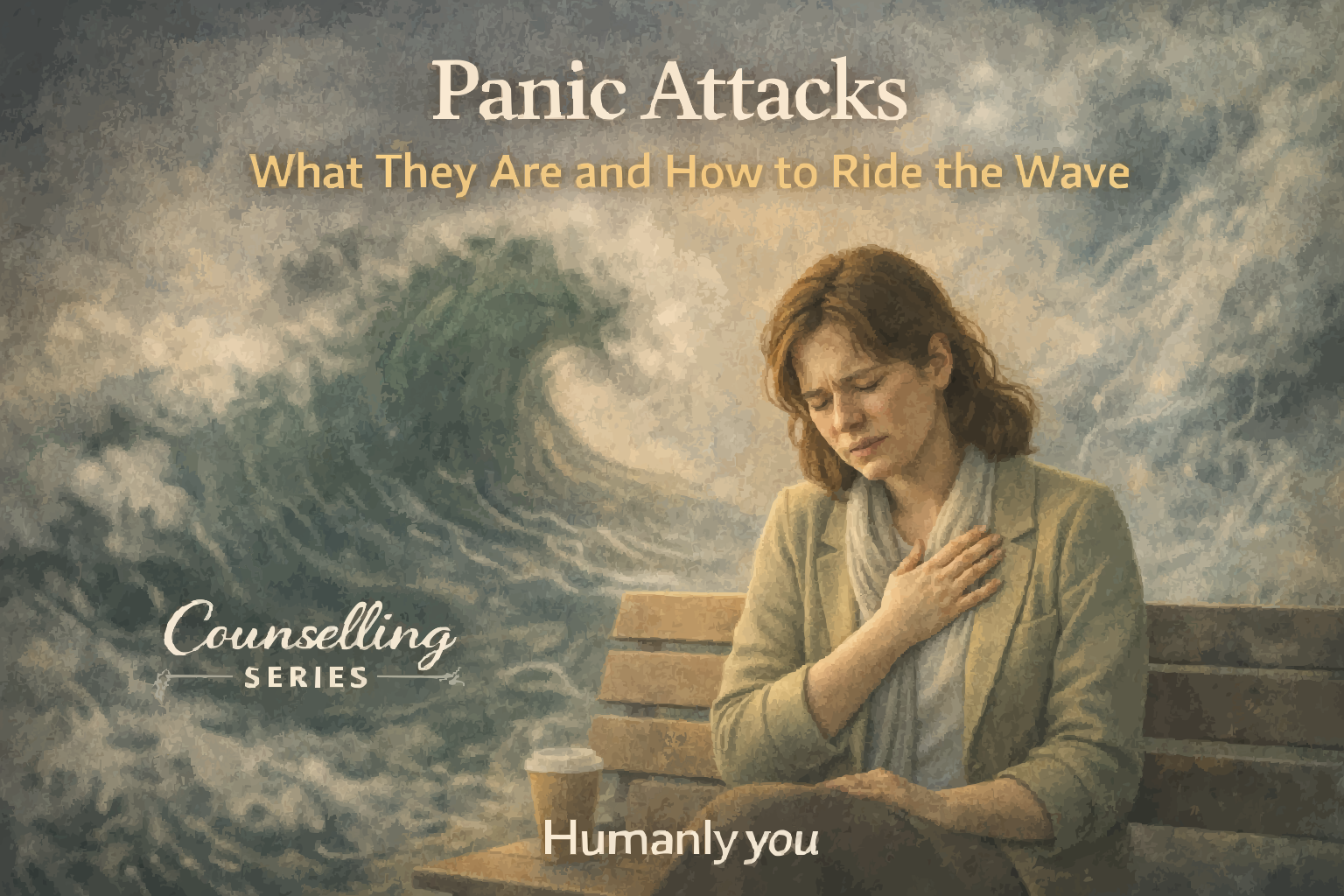
Panic Attacks: What They Are and How to Ride the Wave
Panic attacks feel frightening because the body’s alarm system activates intensely. The goal is not to fight the alarm, but to teach the body that you are safe.
Suggested next step: If you want support tailored to you, start with the 30-Minute Clarity Call.
What panic is
- A surge of adrenaline with symptoms like breathlessness, heart racing, dizziness, trembling.
- Panic peaks and then declines—even when it feels endless.
- Panic is uncomfortable, not dangerous.
What makes panic worse
- Checking your pulse repeatedly.
- Avoiding places/situations that feel ‘unsafe’.
- Holding your breath or hyperventilating.
- Telling yourself ‘I can’t handle this’.
What helps
- Anchor attention: feet on floor, describe the room, name 5 objects.
- Breathe: inhale gently, exhale longer.
- Allow: ‘This is panic. It will pass.’
- After: review what you did that helped and repeat it next time.
When to seek support
If panic is frequent, if you avoid important activities, or if symptoms are confusing—professional assessment can help.
If you recognise yourself in this, start gently. Change is more sustainable when it is paced and compassionate. If symptoms are persistent, severe, or affecting safety, seeking professional support is appropriate.
Note: This article is educational and supportive. If you’re in crisis or at risk of harm, contact local emergency services.