Stress & Anxiety
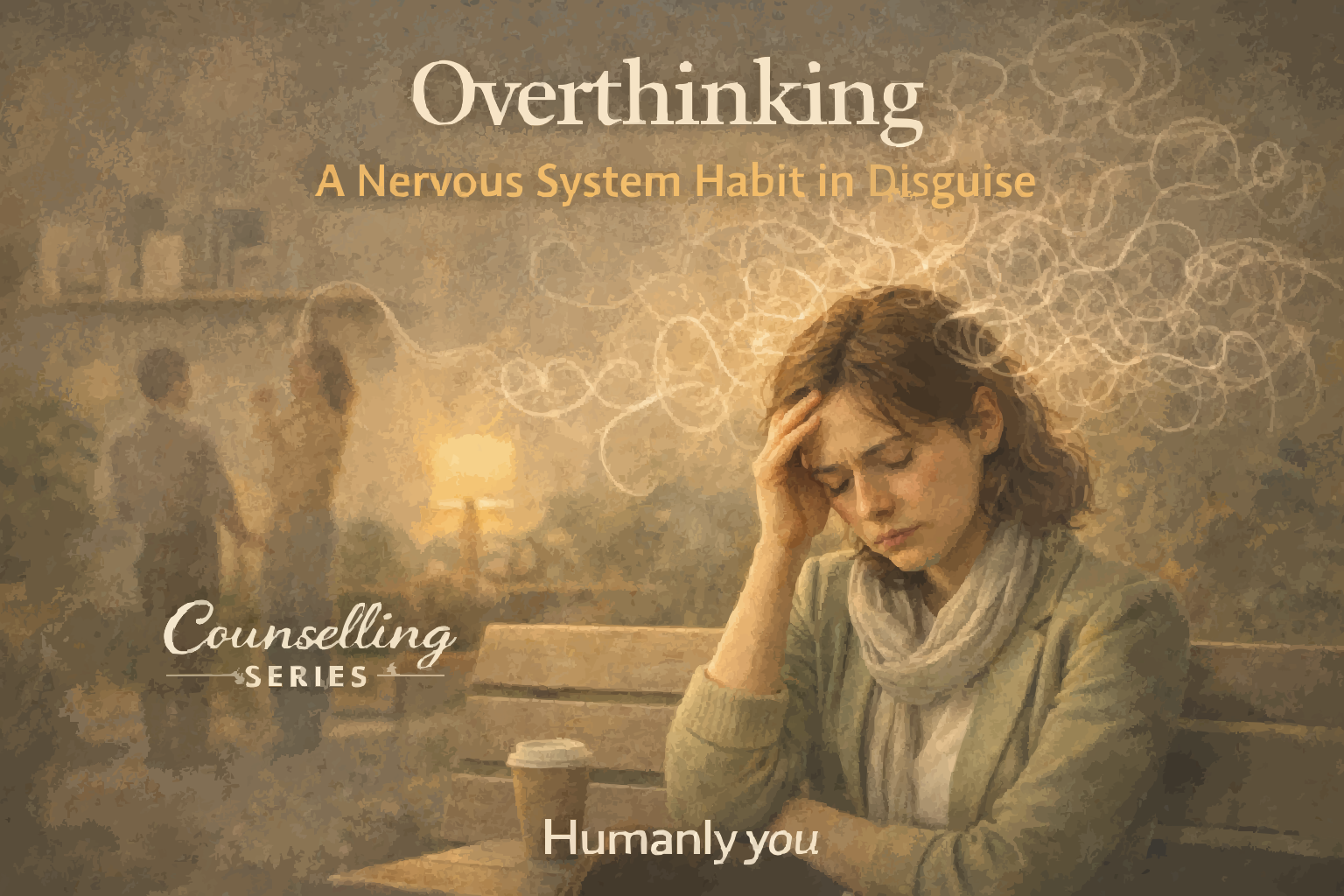
Overthinking: A Nervous System Habit in Disguise
Overthinking is often a safety behavior: the mind attempts to prevent pain by predicting every outcome.
Suggested next step: If you want support tailored to you, start with the 30-Minute Clarity Call.
What overthinking is doing for you
- It creates an illusion of control.
- It postpones action (and therefore risk).
- It tries to reduce uncertainty by rehearsing conversations and outcomes.
How it keeps the cycle alive
- More thinking increases body arousal.
- Arousal increases urgency to think more.
- Eventually you feel stuck and self-critical, which adds more threat.
What helps clinically
- Shift from ‘solve’ to ‘soothe’: regulate first, then decide.
- Set a thinking window (10 minutes). After that, choose one action.
- Use ‘good enough’ decisions; perfection fuels rumination.
Micro-practice
- When you notice rumination, name 3 sensations in your body and 3 things you can see.
- Take 5 slow breaths with a longer exhale.
- Then do one small action aligned with your value (send, ask, walk, rest).
If you recognise yourself in this, start gently. Change is more sustainable when it is paced and compassionate. If symptoms are persistent, severe, or affecting safety, seeking professional support is appropriate.
Note: This article is educational and supportive. If you’re in crisis or at risk of harm, contact local emergency services.