Blog / Stress Anxiety / Why Saying No Feels So Hard (And How to Do It Without Guilt) — Humanly You Blog
Why Saying No Feels So Hard (And How to Do It Without Guilt) — Humanly You Blog
Stress Anxiety

Why Saying No Feels So Hard (And How to Do It Without Guilt) — Humanly You Blog

2 min read
Share LinkedIn X Email
In this article

Table of Contents

  1. A useful clinical distinction
  2. How it shows up in the body
  3. Why the distinction matters
  4. What helps right now
  5. A practical next step
Suggested next step: If you want support tailored to you, start with the 30-Minute Clarity Call.

A useful clinical distinction

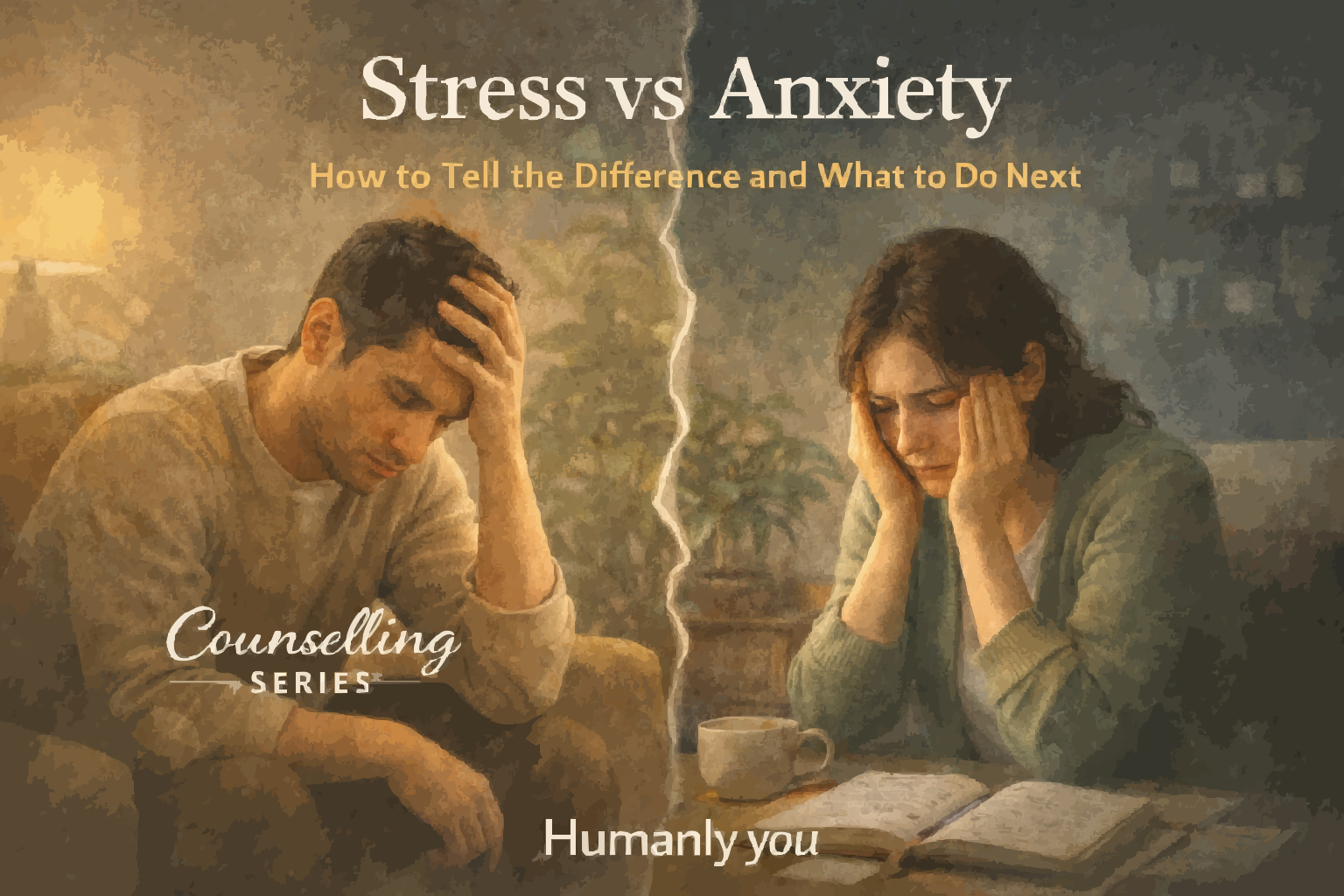
Stress: ‘There is too much to do.’ Anxiety: ‘Something bad might happen.’

Stress often reduces when the task ends. Anxiety can persist because the mind continues scanning for risk.

How it shows up in the body

  • Stress: muscle tension, headaches, time pressure, irritability.
  • Anxiety: chest tightness, restless energy, stomach symptoms, racing thoughts, reassurance-seeking.
  • Anxiety often comes with ‘what-if’ thinking and difficulty tolerating uncertainty.

Why the distinction matters

If you treat anxiety like stress, you push harder and try to control everything—this often increases symptoms.

Anxiety responds better to nervous-system regulation plus gentle exposure to uncertainty.

What helps right now

  • Name it: ‘This is anxiety, not a crisis.’
  • Regulate: slow exhale breathing (longer out-breath), grounding through senses, brief movement.
  • Reduce reassurance loops: set a time limit for checking/confirming; then return to a chosen action.

A practical next step

Pick one small uncertainty you can tolerate today (send the email without rewriting; take the walk without tracking).

Notice the urge to control; practice staying present while discomfort rises and falls.

If you recognise yourself in this, start gently. Change is more sustainable when it is paced and compassionate. If symptoms are persistent, severe, or affecting safety, seeking professional support is appropriate.

Note: This article is educational and supportive. If you’re in crisis or at risk of harm, contact local emergency services.
Recommended Support

Services connected to this topic

Move from reading to practical support with HumanlyYou services that match this article.

Continue Learning

Go deeper from here

Use these connected pages to explore the wider HumanlyYou knowledge system.

Related Articles

You may also like

Articles from the same cluster to continue the reading journey.

Resources

Helpful next resources

Use these pages to keep exploring the wider HumanlyYou library.

Featured Tools

Explore related products and tools

Continue the journey with HumanlyYou tools, templates, and digital resources.

Written by

Srinivas Saripalli

Executive Leadership & Life Coach • Founder, HumanlyYou

Helping individuals navigate stress, leadership challenges, and personal growth with clarity, emotional intelligence, and practical next steps.

Leadership Coaching Stress & Anxiety Personal Growth

Join the HumanlyYou Newsletter

Practical insights on stress, relationships, leadership and growth.